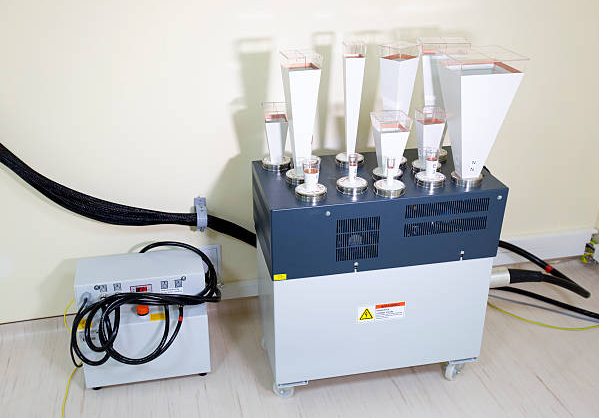
High Performance Resin Dryers for Plastic Processing

Importance of Moisture Control in Polymer Processing
Moisture management is a critical factor in plastic and polymer manufacturing. Many engineering plastics are hygroscopic, which means they absorb moisture from the surrounding air during storage and handling. If this absorbed moisture is not removed before processing, it can cause hydrolysis, reduced mechanical strength, surface defects, dimensional instability, and inconsistent product quality. Controlling moisture content before molding or extrusion is therefore essential for achieving reliable production outcomes.
Advanced Resin dryers are specifically designed to eliminate moisture from plastic granules before they enter the processing stage. These systems ensure that resin reaches the required dryness level to maintain structural integrity during heating and shaping. By delivering controlled temperature and low humidity air, resin dryers help manufacturers maintain consistent melt flow characteristics and superior finish quality.
Moisture related defects can increase material waste, machine downtime, and reprocessing requirements. Effective drying technology minimizes these risks and enhances overall production efficiency. With growing demand for high precision plastic components, the importance of advanced resin drying solutions continues to increase.
How Resin Dryers Work in Industrial Applications
Resin dryers operate by circulating heated, dehumidified air through a hopper containing plastic granules. The core principle involves removing moisture from both the surface and internal structure of the resin. Standard heated air alone is insufficient because ambient air may still contain humidity. Therefore, industrial drying systems incorporate desiccant based dehumidification to produce very low dew point air.
The drying process begins when air passes through a desiccant medium that absorbs moisture. The dry air is then heated to a specific temperature depending on the polymer type. This hot, dry air flows evenly through the resin bed, drawing out absorbed moisture. The moisture laden air is then expelled, and the cycle continues until the material reaches the desired dryness level.
Precise control of temperature, airflow, and dew point is crucial. Different polymers require specific drying parameters. For example, materials such as PET, nylon, and polycarbonate demand lower moisture levels compared to non hygroscopic plastics. Advanced control panels allow operators to program resin specific settings, ensuring accurate and repeatable performance.
Key Components of Modern Resin Drying Systems
A high performance resin dryer integrates multiple components to achieve consistent moisture removal. The desiccant rotor or bed is responsible for generating low humidity air. Heating elements elevate air temperature to accelerate moisture evaporation. Blowers ensure uniform airflow distribution within the drying hopper.
The hopper itself is designed to promote even contact between resin and dry air. Insulation prevents heat loss and maintains stable drying conditions. Sensors monitor temperature and dew point continuously, enabling automated adjustments for optimal performance.
Modern systems also include regeneration circuits that restore the desiccant material after it becomes saturated with moisture. This continuous regeneration ensures uninterrupted drying and long term operational reliability.
Role of Polymer Dryers in Quality Enhancement
A specialized polymer dryer plays a vital role in preserving the physical and chemical properties of processed plastics. When moisture remains in the polymer during melting, it can break down molecular chains and weaken the final product. This degradation affects strength, transparency, and durability.
Effective polymer drying eliminates internal moisture, preventing hydrolytic degradation. As a result, manufacturers achieve improved tensile strength, enhanced surface finish, and greater dimensional accuracy. These qualities are particularly important for precision molded components used in automotive, electrical, and packaging industries.
Consistent drying also contributes to stable processing conditions. Uniform moisture content ensures predictable melt behavior, reducing the likelihood of defects such as bubbles, voids, or silver streaks. By maintaining consistent resin quality, polymer dryers support efficient and high yield production.
Advantages of Advanced Polymer Drying Technology
Implementing modern polymer drying solutions offers several operational advantages:
• Improved product consistency and mechanical strength
• Reduced scrap rates and material waste
• Enhanced process stability and repeatability
• Lower energy consumption through optimized airflow and heat recovery
These benefits contribute to both economic and environmental efficiency in manufacturing operations.
Energy Efficiency and Operational Optimization
Energy consumption is a major consideration in plastic processing facilities. Traditional drying systems can consume significant power if not properly optimized. Advanced resin dryers are designed to minimize energy usage while maintaining high performance.
Low dew point air allows faster moisture removal, reducing drying time and energy expenditure. Insulated hoppers and efficient airflow systems prevent heat loss and improve thermal efficiency. Some systems incorporate heat recovery mechanisms that reuse exhaust heat, further lowering operational costs.
Automation features also enhance efficiency. Intelligent controllers monitor process variables and adjust settings dynamically to maintain optimal drying conditions. This level of precision reduces manual intervention and improves production consistency.
Centralized drying systems can serve multiple processing machines simultaneously. By consolidating drying operations, facilities streamline material handling and reduce overall equipment footprint. Integrated systems improve workflow efficiency and enhance material management.
Factors to Consider When Selecting Resin Dryers
Selecting the appropriate resin drying system requires evaluation of several factors. The type of polymer being processed is the primary consideration. Hygroscopic materials demand desiccant based dryers capable of achieving very low dew point levels. Non hygroscopic materials may require less intensive drying methods.
Production capacity and throughput must align with dryer specifications. Hopper size, airflow rate, and heating capacity should support the volume of material processed per hour. Oversized systems may waste energy, while undersized units may fail to achieve required dryness levels.
Environmental conditions also influence system performance. Facilities operating in high humidity regions benefit from robust dehumidification capabilities. Advanced monitoring systems help maintain consistent performance regardless of ambient conditions.
Maintenance accessibility and durability are equally important. Systems designed for easy servicing and long term reliability reduce downtime and operational disruptions. Reliable technical support and engineering expertise further enhance system effectiveness.
See also: Streamlining Payroll Management for Businesses in Hong Kong
Applications Across Plastic Manufacturing Sectors
Resin and polymer dryers are widely used across injection molding, extrusion, blow molding, and thermoforming processes. Each of these manufacturing methods requires consistent material preparation to ensure optimal product quality.
In injection molding, properly dried resin ensures accurate mold filling and improved surface finish. In extrusion, uniform moisture content prevents bubble formation and structural inconsistencies. Blow molding operations benefit from stable material flow and improved clarity.
High performance polymers used in technical and structural applications require precise moisture control. Resin dryers enable manufacturers to meet stringent quality standards and regulatory requirements. As demand for lightweight and durable plastic components increases, advanced drying technology becomes increasingly important.
Technological Advancements in Resin Drying
Ongoing innovation continues to enhance resin drying technology. Improved desiccant materials offer higher adsorption capacity and faster regeneration cycles. Enhanced airflow design ensures uniform drying even in large capacity hoppers.
Digital control systems provide real time performance data and remote monitoring capabilities. These smart systems enable predictive maintenance and optimize energy usage. Integration with automated material handling systems streamlines production and reduces contamination risk.
Compact and modular designs allow flexible installation within modern manufacturing facilities. As production demands evolve, scalable drying solutions support expansion without major infrastructure changes.
Sustainability considerations also influence new developments. Energy efficient designs and reduced emissions contribute to environmentally responsible manufacturing practices.
Conclusion
Moisture control is fundamental to achieving high quality and reliable plastic production. Advanced resin dryers and polymer drying systems ensure that hygroscopic materials reach optimal dryness before processing. By eliminating internal moisture, these systems prevent material degradation and enhance product performance.
Modern drying technology combines low dew point air generation, precise temperature control, and energy efficient design to deliver consistent results. Careful system selection and integration further optimize production efficiency and cost effectiveness.
For innovative and reliable resin drying solutions tailored to industrial needs, explore the advanced technologies offered by Bry-Air. Their expertise in moisture control systems supports high performance plastic processing across diverse manufacturing applications.