Demystifying Digital Impressions: A Leap Towards the Future of Dentistry

The Digital Revolution Transforming Dental Practices
The landscape of modern dentistry is experiencing a remarkable transformation, with digital impressions leading the charge towards a more efficient and precise future. Gone are the days when patients had to endure the uncomfortable sensation of traditional putty-based moulds, as cutting-edge technology revolutionises the way dental professionals capture detailed images of teeth and gums. This technological advancement represents far more than a simple upgrade; it embodies a fundamental shift in how dental care is delivered by a dentist in Tunbridge Wells and the rest of the UK.
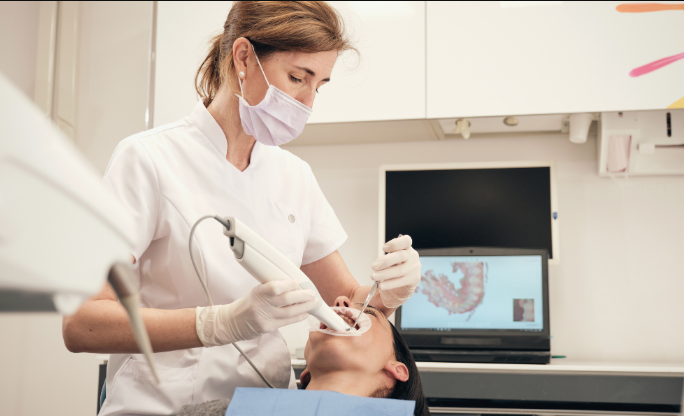
Digital impressions utilise sophisticated intraoral scanners to create highly accurate three-dimensional models of a patient’s mouth within minutes. These scanners employ advanced optical technology to capture thousands of images per second, constructing a comprehensive digital replica that surpasses traditional methods in both accuracy and comfort. The precision achieved through this technology enables dental professionals to provide superior treatment outcomes whilst significantly enhancing the patient experience.
Understanding the Technology Behind Digital Impressions
The science underpinning digital impression technology is genuinely fascinating. Intraoral scanners utilise either confocal microscopy or structured light projection to capture detailed surface information. These sophisticated devices project patterns of light onto the teeth and surrounding tissues, with sensors detecting the reflected light to calculate precise measurements and surface textures. The resulting data is processed through powerful software algorithms that construct detailed three-dimensional models in real-time.
Modern scanners can capture colour information alongside geometric data, producing remarkably lifelike digital models that assist dental professionals in treatment planning and patient communication. The technology continues to evolve rapidly, with manufacturers consistently improving scanning speed, accuracy, and ease of use. This ongoing development ensures that dental practices can provide increasingly sophisticated care whilst maintaining the highest standards of patient comfort.
Advantages for Both Patients and Practitioners
Enhanced Patient Comfort and Experience
The most immediately apparent benefit of digital impressions lies in the dramatically improved patient experience. Traditional impression materials often triggered gag reflexes and caused considerable discomfort, particularly for patients with sensitive mouths or dental anxiety. Digital scanners eliminate these concerns entirely, requiring only a small wand-like device to be moved gently around the mouth. Patients can breathe normally throughout the process, and the entire procedure typically takes just a few minutes to complete.
For those seeking treatment from a dentist, the availability of digital impression technology represents a significant advancement in care quality. The streamlined process reduces appointment times whilst providing superior results, making dental treatment more accessible and comfortable for patients of all ages.
Professional Benefits and Clinical Advantages
From a clinical perspective, digital impressions offer numerous advantages that enhance the quality of dental care. The immediate availability of digital models eliminates the waiting period associated with traditional impressions, allowing practitioners to begin treatment planning straight away. The precision of digital captures reduces the likelihood of remake requirements, saving both time and resources whilst ensuring optimal treatment outcomes.
Digital impressions also facilitate seamless communication between dental practices and laboratories. Files can be transmitted electronically within minutes, significantly reducing turnaround times for restorations and appliances. This efficiency translates into faster treatment completion and improved patient satisfaction. Additionally, digital storage eliminates the physical space requirements and deterioration concerns associated with traditional plaster models.
See also: The Future of Artificial Intelligence in Healthcare: What’s Next?
Applications Across Dental Specialties
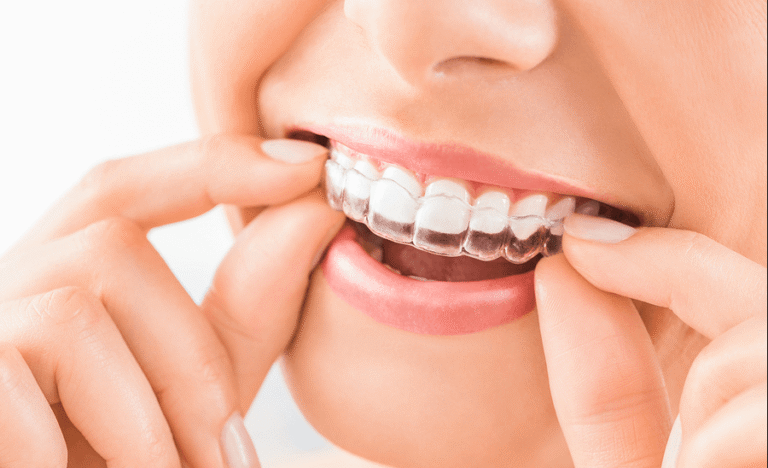
The versatility of digital impression technology extends across numerous dental disciplines. In restorative dentistry, these precise captures enable the creation of crowns, bridges, and veneers with exceptional fit and aesthetics. Orthodontic treatment planning benefits enormously from the detailed three-dimensional models, allowing for more accurate aligner fabrication and treatment monitoring.
Implant dentistry has particularly embraced digital impressions, with the technology enabling precise surgical planning and guided implant placement. The accuracy of digital models supports predictable outcomes and reduces surgical complications. Advanced digital impression systems continue to expand their capabilities, incorporating additional features that enhance treatment planning across all specialties.
Many patients find comprehensive guides to digital impression procedures helpful in understanding what to expect during their appointments. Educational resources, including detailed video demonstrations of digital scanning processes, provide valuable insights into this innovative technology.
The Future of Dental Care
Digital impressions represent merely the beginning of dentistry’s technological evolution. As scanning technology continues to advance, integration with artificial intelligence and machine learning promises even greater precision and diagnostic capabilities. The ongoing development of these systems ensures that dental professionals can provide increasingly sophisticated care whilst maintaining the patient-centred approach that defines quality dentistry.
The adoption of digital impression technology by forward-thinking dental practices demonstrates a commitment to excellence and innovation. This technological advancement not only improves treatment outcomes but also enhances the overall dental experience, making quality oral healthcare more accessible and comfortable for patients throughout the United Kingdom.