How Baggage Screening Technology Supports Safer Dutch Airports

Airport baggage screening in the Netherlands must protect passengers while keeping queues moving. Modern imaging systems can give security teams more information about a bag’s contents, helping them assess potential threats without routinely asking passengers to unpack their belongings.
Dutch airports balance speed with tighter baggage checks
Screening needs vary between airports and checkpoints, but the challenge is similar: inspect baggage carefully while maintaining a steady flow of passengers. The right approach depends on factors such as passenger volume, available space, local procedures and the kinds of bags being screened.
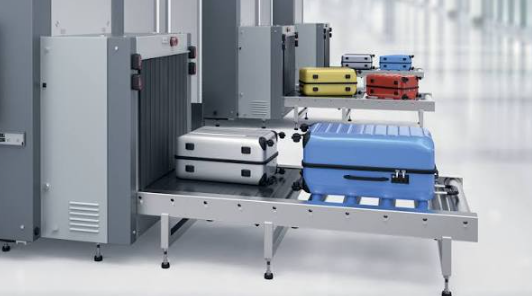
Equipment can include conventional X-ray systems and computed tomography (CT) scanners. These technologies support different screening needs, from cabin baggage at checkpoints to checked luggage and larger items. A suitable setup is chosen for the location and its operating requirements.
See also: Protecting clients without disrupting their life
CT scanners reveal more without unpacking bags
CT systems capture information from multiple angles to build a three-dimensional view of a bag’s contents. This can help screening staff examine how items are arranged and assess objects that may be difficult to interpret in a two-dimensional image.
3D imaging helps spot prohibited items
Three-dimensional imaging gives operators another way to inspect the contents of a bag. Depending on the system and its configuration, automated detection tools can also flag items for further review. A flag is not a final decision: staff assess the image and follow the airport’s security procedures.
An setup may use different imaging technologies depending on whether it is screening hand luggage, hold baggage or oversized items. The equipment should match the task, and its performance depends on correct installation, maintenance and operation.
x ray scanner baggageAutomated screening keeps passenger flow moving
Automated image analysis can help direct attention to bags that may need closer inspection. This can support more consistent screening and reduce unnecessary manual checks, while allowing operators to focus on images that require judgement.
Automation does not remove the need for trained staff or established procedures. Screening teams remain responsible for reviewing alerts, resolving uncertainty and deciding when a bag requires additional inspection.
Trained teams handle alarms and complex cases
Some bags contain dense, overlapping or unusual items that make an image harder to interpret. When a system raises an alarm or an operator is unsure, staff can follow the relevant procedures, which may include a closer image review or a physical inspection.
Training helps operators understand the imaging system, recognise possible threats and respond appropriately to alerts. Regular technical support and maintenance also matter, since reliable equipment is essential to day-to-day screening operations.
Smarter systems adapt to changing security risks
Security requirements can change as airports update procedures, respond to new risks or manage different passenger and cargo volumes. Configurable screening systems, software updates and staff training can help sites adapt, subject to applicable regulations and operational needs.
InsTech Netherlands supplies baggage and cargo screening equipment and related services, including technical support and training. Its range includes X-ray and CT systems for different screening settings. Selecting equipment for an airport requires assessing the site’s needs, applicable standards and the way staff will use the system.