Fire Risk Assessment: Step-by-Step Process Explained

A fire risk assessment is a vital process that helps identify fire hazards, evaluate risks, and implement safety measures to protect people and property. It is a legal requirement for many businesses and shared premises, but more importantly, it is a proactive approach to preventing fire-related incidents. Understanding the step-by-step process of a fire risk assessment allows organizations to maintain a safe environment and reduce potential losses.
Step 1: Identify Fire Hazards
The first step in a fire risk assessment is identifying potential fire hazards within the premises. Fire hazards generally fall into three main categories: sources of ignition, sources of fuel, and sources of oxygen.
Sources of ignition include electrical equipment, faulty wiring, heating systems, open flames, smoking materials, and machinery that generates heat. Sources of fuel may consist of paper, cardboard, furniture, chemicals, flammable liquids, gases, and waste materials. Oxygen sources can include natural airflow, air conditioning systems, and oxygen cylinders in certain workplaces.
Identifying these hazards helps determine how a fire could start and spread within the building.
Step 2: Identify People at Risk
Once fire hazards are identified, the next step is determining who may be at risk if a fire occurs. This includes employees, visitors, customers, contractors, and anyone else present on the premises.
Special consideration should be given to vulnerable individuals such as people with disabilities, elderly persons, pregnant workers, or those unfamiliar with the building layout. Lone workers and individuals working in high-risk areas should also be considered. Understanding who is at risk helps ensure evacuation procedures and safety measures are suitable for everyone.
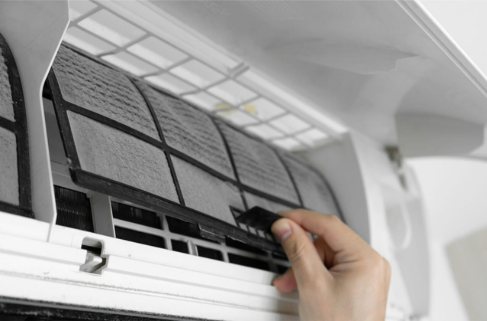
See also: Maintaining Efficient Cooling Systems at Home
Step 3: Evaluate the Risks and Decide on Precautions
After identifying hazards and people at risk, the level of fire risk must be evaluated. This involves assessing how likely a fire is to occur and how severe the consequences could be.
Based on this evaluation, appropriate precautions should be implemented to reduce or eliminate risks. These precautions may include improving housekeeping practices, safely storing flammable materials, maintaining electrical systems, and removing unnecessary ignition sources. Fire-resistant materials and structural fire protection may also be required in higher-risk areas.
The goal of this step is to reduce fire risks to the lowest level reasonably possible.
Step 4: Implement Fire Safety Measures
Fire safety measures play a crucial role in protecting lives during an emergency. This step involves ensuring that fire detection and warning systems, such as smoke detectors and fire alarms, are installed and working effectively.
Adequate firefighting equipment, including fire extinguishers and fire blankets, should be available and suitable for the types of fire risks present. Escape routes must be clearly marked, well-lit, and free from obstructions. Emergency exits should be easily accessible and lead to a safe place.
An emergency fire evacuation plan should also be developed, outlining roles, responsibilities, and procedures to follow in case of fire.
Step 5: Record Findings and Prepare an Emergency Plan
Recording the findings of a fire risk assessment is essential, especially for businesses and larger premises. Documentation should include identified hazards, people at risk, implemented control measures, and any actions needed to improve fire safety.
An emergency plan should be prepared and communicated to all staff. This plan explains what to do if a fire occurs, how to raise the alarm, evacuation procedures, and who is responsible for assisting others. Clear documentation helps demonstrate legal compliance and ensures consistency in emergency response.
Step 6: Train Staff and Conduct Fire Drills
Fire safety measures are only effective if people know how to use them. Employees should receive regular fire safety training covering alarm response, evacuation routes, and basic fire extinguisher use where appropriate.
Fire drills should be conducted periodically to test evacuation procedures and identify any weaknesses. Training and drills increase awareness, reduce panic, and improve response times during real emergencies.
Step 7: Review and Update the Assessment Regularly
A fire risk assessment is not a one-time task. It must be reviewed and updated regularly to remain effective. Changes such as building modifications, new equipment, increased staff numbers, or different work activities can introduce new fire risks.
Regular reviews ensure that fire safety measures remain suitable and compliant with current regulations.
Conclusion
A fire risk assessment is a structured and essential process for preventing fires and protecting lives. By following a clear step-by-step approach—identifying hazards, assessing risks, implementing safety measures, and reviewing regularly—organizations can significantly reduce fire-related dangers. Investing time in fire risk assessment is not only a legal obligation but a responsible step toward creating a safer and more secure environment for everyone.