Modern Construction Design London for Urban Living Spaces

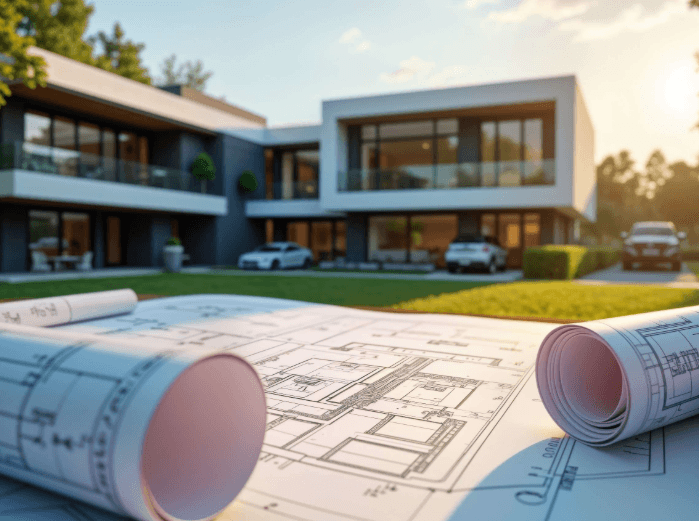
London’s residential landscape is undergoing a quiet but significant transformation. As the city’s population grows denser and its housing stock ages, homeowners and developers alike are turning to specialists who can reconcile the demands of contemporary living with the constraints of Victorian terraces, Edwardian semis, and mid-century flats. At the forefront of this shift is the discipline of construction design London practitioners have refined over decades, a practice that fuses architectural thinking, engineering precision, and urban sensitivity into spaces that are genuinely built for modern life.
Why Urban Living Demands a Different Design Approach
Designing and building in London is categorically different from working in suburban or rural settings. Plots are tight. Neighbours are close. Planning authorities apply rigorous scrutiny. Party wall agreements, Conservation Area restrictions, and permitted development limitations all shape what is possible before a single drawing is produced.
This context demands designers who understand the city not just aesthetically but legally and logistically. A design that looks compelling on paper but ignores a neighbour’s right to light, or underestimates the complexity of building near a shared boundary, can stall a project for months. The best construction design professionals in London treat regulatory fluency as a core competency, not an afterthought.
The Defining Principles of Modern Urban Construction Design
Maximising Space Without Maximising Footprint
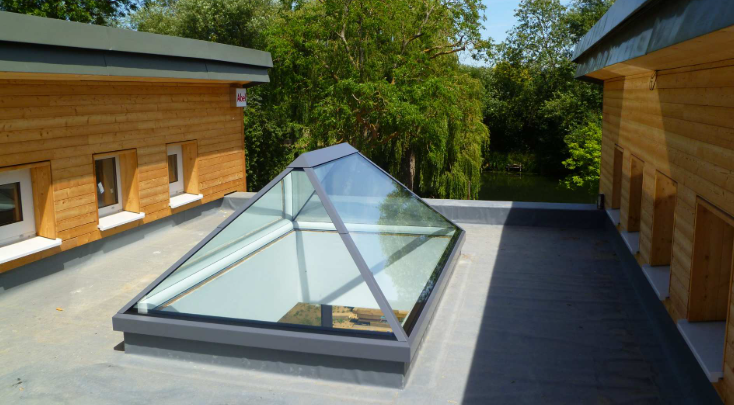
In a city where square footage commands a premium, the most valuable design skill is not making spaces larger but making them feel larger. Double-height volumes, internal glazing between rooms, and the strategic removal of non-structural walls can transform a cramped Victorian terrace into an expansive, light-filled home. Roof lanterns and clerestory windows bring daylight into the heart of a plan, eliminating the dim mid-section that afflicts so many London ground floors.
Verticality as a Design Resource
Where horizontal expansion is limited, skilled designers look upward. Loft conversions and roof extensions have become a staple of London’s residential upgrade market for good reason: they add floor area, capture elevated views, and in many cases fall within permitted development rights. Contemporary loft design has moved well beyond the basic Velux conversion. Today’s iterations feature full-width dormer extensions, rooftop terraces, and master suites with frameless glazing that frames the cityscape as a living artwork.
Material Intelligence in an Urban Context
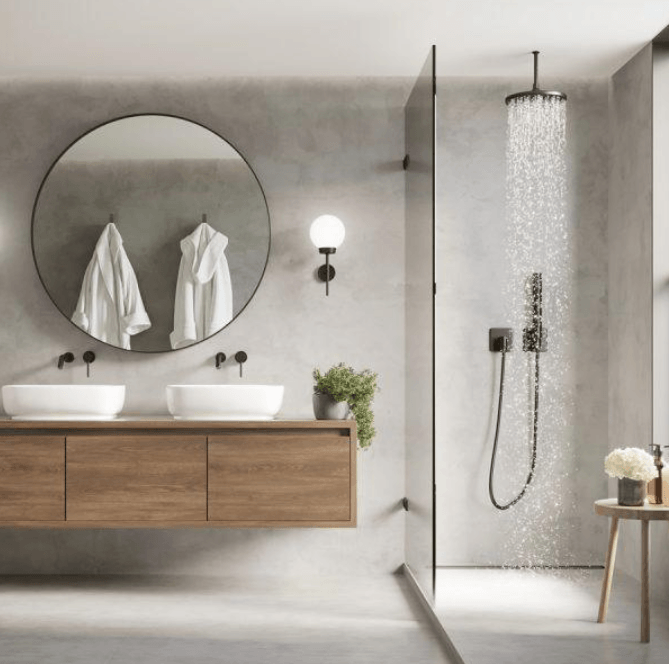
Material selection in London carries particular weight. Externally, planning authorities often require new construction to respect the character of the surrounding streetscape. Brick, zinc, and timber cladding are common solutions that satisfy heritage sensibilities while reading as unmistakably contemporary. Internally, the trend has moved toward honest, tactile materials: exposed structural steel, polished concrete floors, raw plaster walls, and sustainably sourced hardwood joinery. These choices age well, resist the faddishness of more decorative approaches, and connect urban spaces to a broader design conversation happening across European cities.
See also: Maintaining Efficient Cooling Systems at Home
Sustainability as a Structural Principle
Modern construction design in London increasingly treats energy performance not as a compliance exercise but as a fundamental design driver. Fabric-first approaches prioritise insulation, airtightness, and thermal mass before specifying mechanical systems, reducing long-term running costs and significantly improving occupant comfort. Heat pump technology, mechanical ventilation with heat recovery, and photovoltaic roofing are becoming standard considerations rather than premium add-ons in forward-thinking residential projects.
The Role of the Design-and-Build Model in Urban Projects
Complex urban projects benefit enormously from a delivery model in which design and construction expertise are held within the same organisation. When the team producing the drawings is also responsible for building what they draw, several things happen: details are designed with buildability in mind from the outset, material specifications reflect current supply chain realities, and the client has a single point of accountability throughout.
This integration is particularly valuable in London, where site access is frequently difficult, logistics require careful choreography, and unforeseen conditions such as undocumented utilities, variable ground conditions, and historic alterations to existing structure are routine rather than exceptional. A unified team can respond to these discoveries without the blame-shifting that sometimes characterises the traditional architect-and-builder split.
Key Project Types Shaping London’s Urban Residential Market
Rear extensions remain the most common intervention, typically delivering open-plan kitchen and dining space that connects to the garden. Side-return extensions on semi-detached and terraced properties recover a narrow strip of land that was previously wasted, adding genuine floor area to ground-floor layouts. Wraparound extensions combine both moves for a more dramatic transformation.
Basement conversions continue to grow in ambition and sophistication. Today’s projects routinely include glazed light wells, wine cellars, home cinemas, gym spaces, and wellness rooms that bear little resemblance to the utilitarian storage voids of a generation ago.
Full house refurbishments, which involve stripping a property back to structure and rebuilding it to a contemporary standard of performance and finish, represent the most comprehensive urban upgrade available short of new build. For older London properties suffering from poor insulation, outdated services, and layouts designed for a very different domestic life, this approach delivers a transformation that incremental works simply cannot match.
Building the City From the Inside Out
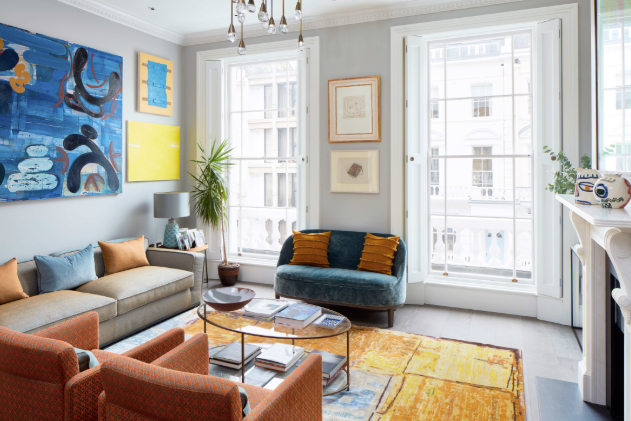
London’s architectural character has always evolved through the quiet accumulation of individual projects: extensions added, floors raised, basements dug, interiors reimagined. Modern construction design continues this tradition, bringing new tools, new materials, and new performance standards to buildings that in many cases have stood for over a century.
London Design and Build operates at exactly this intersection of old fabric and new ambition. With deep expertise in the technical, regulatory, and aesthetic dimensions of urban residential design, the firm represents the kind of knowledgeable, accountable partner that complex London projects require and that homeowners seeking genuinely stylish, enduring results deserve.